Mode 18
Personnel Presence Detection in the hazardous Machinery Area
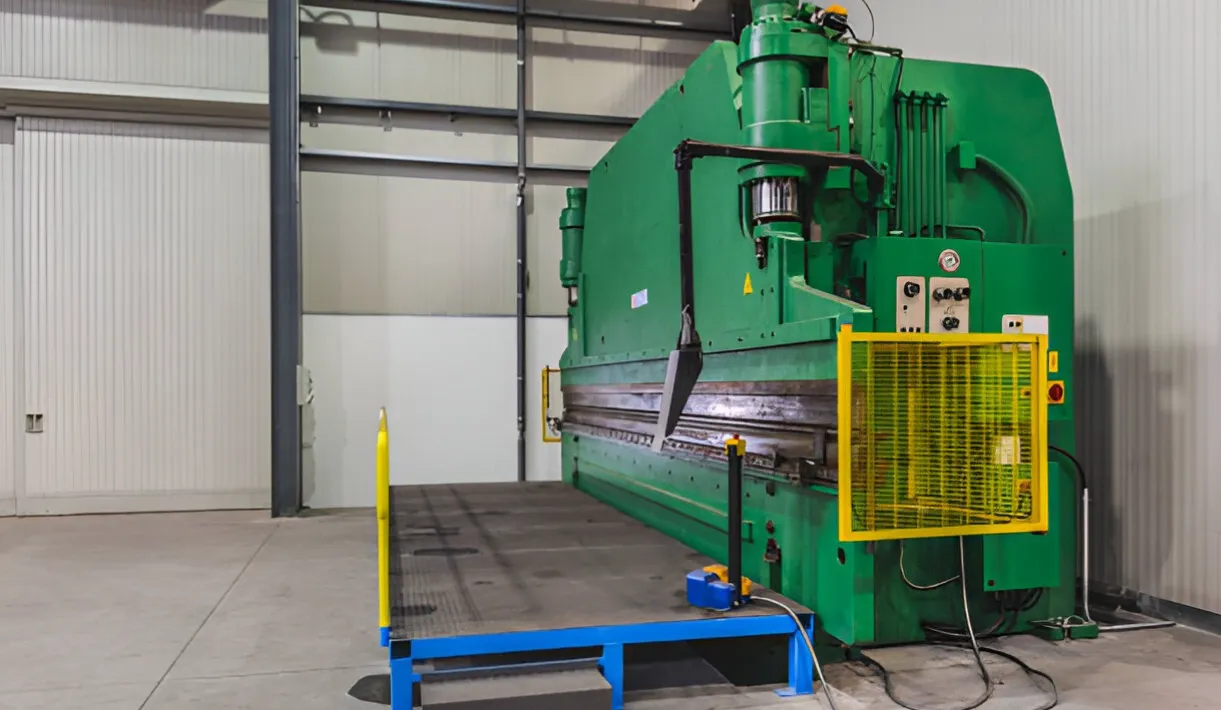
Machines with higher risks of workplace accidents require special safety measures. For example, hydraulic press machines use sensors and light curtains. However, these do not provide complete safety due to their limited coverage. ISEE-CAM, with its human-focused algorithm, detects personnel in designated areas and can halt the machine's operation.
Designed for 24/7 operation with edge processing, configurable outputs, and rapid deployment across industrial sites.
Why this solution matters
This product combines AI vision, industrial-grade hardware, and on-device processing to help teams reduce risk, improve quality, and automate decision-making without cloud dependency.
Operational safety
Automate safety checks, detect risks in real time, and reduce human error across critical zones.
Quality consistency
Detect anomalies early in the production flow to minimize scrap, rework, and downtime.
Fast integration
Deploy with existing automation systems using flexible outputs and integration-ready interfaces.
Technical highlights
Key specifications and core capabilities that make the system reliable in demanding industrial environments.
Industrial AI camera capabilities
- 01
Capability 1
When positioned on your hydraulic press lines, ISEE-CAM, unlike other sensors and light curtains, provides coverage not only within the curtain area but across the entire risky zone.
- 02
Capability 2
With one input and three outputs, it can communicate with the desired system (dry contact, PLC) and can provide multiple alarm outputs (audible alerts, flashers, projectors, etc.) as needed. It also features a reporting system that generates reports from system outputs on a daily, weekly, and monthly basis.
- 03
Capability 3
Custom algorithms for tracking foreign object presence and similar tasks can be developed for the customer.
Deployment workflow
Step 1
Site assessment
We evaluate camera placement, lighting, and operational risks to plan the ideal setup.
Step 2
Configuration and tuning
Models, rules, and alerts are tailored to your line and safety requirements.
Step 3
Launch and support
We deliver go-live support, training, and ongoing optimization for long-term reliability.
Plan a tailored deployment
Running hydraulic presses, stamping machines, or other high-risk equipment? Tell us your machine type and safety zone configuration and we'll map full-zone coverage beyond what light curtains alone provide.